


The Ultimate Guide to Plus Size Fashion: Style, Fit, and Confidence
Finding clothes that fit comfortably and express your personal identity used to feel like a constant compromise. For decades, options remained restricted to oversized cuts and dark, uninspiring colors. Fortunately, the apparel industry has transformed.
Whether you are updating your personal wardrobe, launching an online boutique, or exploring digital fit tools, understanding modern plus size fashion opens doors to effortless style. This guide covers fundamental fit principles, creative styling strategies, and the key movement behind inclusive apparel. You will gain actionable insights on selecting flattering silhouettes, building versatile looks, and navigating fit with complete confidence.
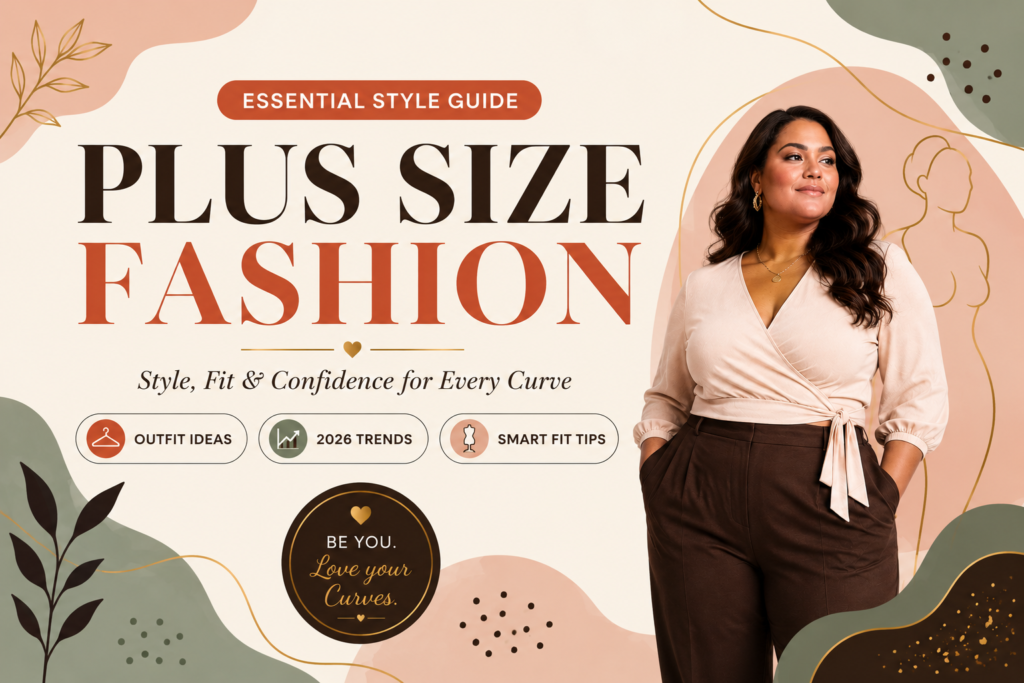
Understanding Fit and Fabric Fundamentals
Great style begins with structure and comfort. Wearing clothes that fit your actual dimensions changes how you move and feel throughout the day.
Ditch Rigid Sizing Rules
Standard clothing sizes vary wildly between brands. A size 16 at one retailer might fit like a 14 or an 18 elsewhere. Relying strictly on numbers often leads to frustration. Focus instead on garment measurements—such as bust, waist, and hip circumferences. Tailoring clothes to your specific body shape creates a polished look that off-the-rack garments rarely match.
Prioritize Drape and Quality Materials
Fabric choice determines how clothes sit on your body. Heavy, stiff materials add unnecessary bulk and restrict movement. Ultra-thin knits tend to cling awkwardly. Look for breathable cottons, linen blends, modal, and structured knits. Fabrics with a touch of stretch—like 2% to 3% elastane in denim—provide flexibility while maintaining shape over time.
Current Plus Size Fashion Trends to Watch
Today’s plus size fashion trends focus on movement, individual expression, and relaxed polish. According to recent style analysis from The Curvy Fashionista, designers are stepping away from restrictive shapes and embracing garments that offer room to live comfortably.
Soft Tailoring and Unstructured Blazers
Rigid blazers are giving way to relaxed, softly tailored layers. Unstructured blazers skim the torso without binding at the shoulders or arms. They pair smoothly with tailored trousers, dark denim, or midi skirts, offering instant polish for work or weekend gatherings.
Statement Sleeves and Asymmetric Cuts
Volume has taken center stage in modern design. Balloon and puff sleeves balance proportions by adding character to the shoulders and upper body. Asymmetric hemlines and one-shoulder tops create visual interest and fluid movement, making simple outfits feel intentional and modern.
Barrel Pants and Wide-Leg Denim
Skinny jeans are no longer the default option. Wide-leg trousers and barrel-leg jeans give curves room to breathe while creating a striking, balanced line. High-waisted, wide-leg cuts anchor an outfit when combined with a fitted tank, tucked button-down, or structured jacket.
Practical Plus Size Outfit Ideas for Any Occasion
Building an adaptable closet does not require hundreds of individual items. A few well-made pieces can yield dozens of distinct looks. Here are functional plus size outfit ideas to try.
Casual Everyday Style
For effortless daily wear, balance proportions using contrast. Pair wide-leg linen trousers with a fitted ribbed top and an open lightweight shirt. Alternatively, combine straight-leg jeans with a graphic T-shirt and a light utility jacket. Finishing the look with clean sneakers or flat sandals keeps things practical yet put-together.
Smart Workwear
Workplace dressing should feel sharp without feeling stiff. Combine a high-waisted midi skirt with a tucked cowl-neck blouse and a draped blazer. Wrap dresses are another reliable choice—they allow you to adjust the fit around your midsection while creating a clean V-neckline. Complete the look with pointed flats or comfortable block heels.
Evening and Event Dressing
Special occasions call for expressive textures and bold cuts. A satin slip dress paired with a structured coat offers timeless elegance. For a modern alternative, wear a tailored jumpsuit with a defined belt and statement earrings. Rich jewel tones, subtle ruffles, and sheer overlays add texture without sacrificing comfort.
Smart Strategies for Shoppers and Small Businesses
Navigating the inclusive apparel market requires smart tools—whether you are buying for yourself or building a retail business.
How Tech-Savvy Shoppers Find the Perfect Fit
Online shopping can be unpredictable, but digital tools make it far easier. Look for retailers offering 3D body-mapping technology, interactive size calculators, or detailed garment measurements. Checking real-customer reviews with attached photos and body dimensions provides clear expectations before you order.
How Small Business Owners Can Source Inclusive Apparel
If you run an apparel store, carrying extended sizes is a major growth opportunity. Success depends on proper grading—scaling patterns proportionally rather than simply adding inches to standard templates. Focus on details like adjustable straps, reinforced waistbands, and high-recovery fabrics. Partnering with manufacturers who specialize in curve fitting builds customer trust and reduces return rates.
Frequently Asked Questions
How do I find my personal style in plus size fashion?
Start by identifying three adjectives that describe how you want to feel in your clothes—such as polished, relaxed, or bold. Experiment with simple capsule pieces like wide-leg pants, structured blazers, and versatile wrap tops. Pay attention to which fabrics and cuts make you feel confident, and build your wardrobe around those core elements.
What are the most flattering silhouettes for curvy bodies?
Silhouettes that define or skim the waist—like wrap dresses, high-waisted wide-leg trousers, and fit-and-flare dresses—tend to highlight curves naturally. Rather than trying to hide your shape under oversized layers, choose garments with soft structure that follow your body’s natural lines.
How can small clothing brands start offering plus size options?
Small brands should begin by researching professional pattern grading for larger sizes rather than scaling up standard sizes uniformly. Work closely with fit models across different body shapes (such as sizes 16, 20, and 24) to ensure proper armhole depth, sleeve width, and waist placement.
Ready to Upgrade Your Wardrobe?
Finding clothes that make you look and feel fantastic should be simple and enjoyable. By focusing on fit, fabric quality, and flexible layering, you can build a versatile collection that fits your lifestyle.
Explore our latest style guides, download our free closet-building checklist, or browse our curated collections today to discover outfits designed with your curves in mind.